Land and Water Partnership
Rethinking a Wet Course: The Redesign of Crooked Water Golf Club
This innovative collaboration demonstrates how watershed permitting can bring solutions and create value when competing standards and legacy land use decisions make compliance challenging.
- 0 Acres of restored wetland
- 0 Acres of wetland buffers
- 0 Acres of reduced hardcover
- 0 Acre-feet of flood storage
When the Crooked Water Golf Club embarked on a course redesign, MCWD represented a regulatory hurdle near the end of a set project schedule. What began as a permit application for plans that could not incorporate required wetland buffers as designed, transformed into a partnership that illuminated creative solutions to align goals, deliver the Club’s vision, and achieve meaningful water resource benefits.
“It was a true collaboration that balanced our business objectives with the watershed’s environmental priorities,” said Club President Dave Link. “The result is a better golf course, a healthier watershed, and a project that delivers lasting benefits for both our members and the broader community.”
Continuing a 50-Year Legacy
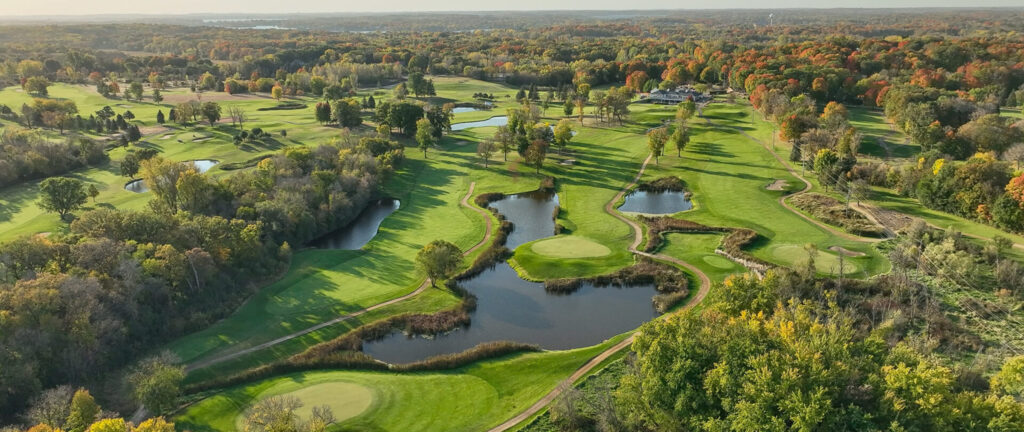
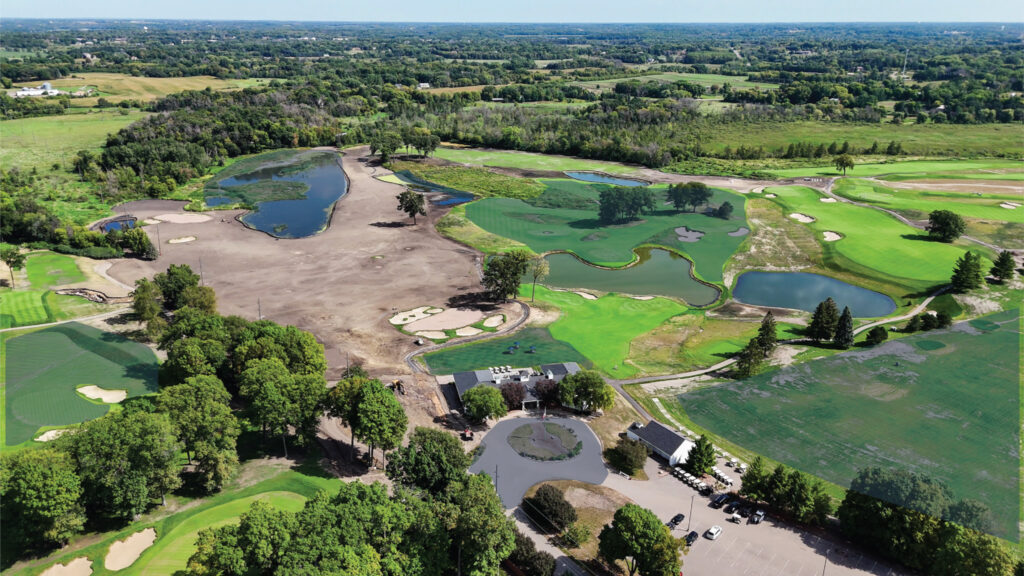
Nestled among woodlands, wetlands, and a smattering of homes at Minnetrista’s northern border, the Crooked Water Golf Club’s 200-acre course emerges from clusters of trees along rolling hills. The Club has existed as part of this rural fabric since 1970.
By 2024, its age was apparent, introducing challenges and posing a significant question: Was it time to reinvest, or shutter the gates?
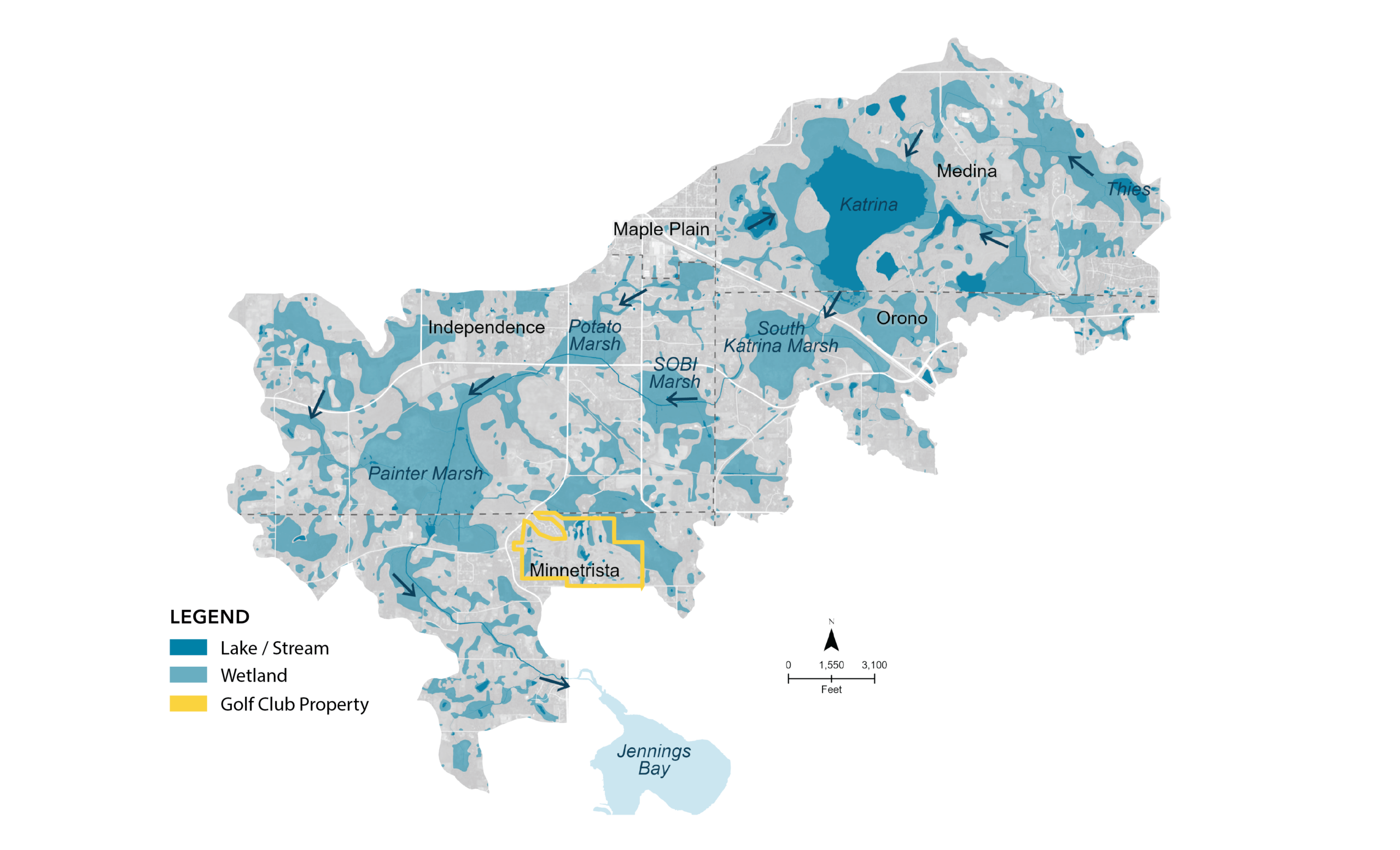
With strong membership support, the Club decided to tackle these challenges. “We knew the property had tremendous potential,” Link said. “With the right investment, we believed Crooked Water could deliver an exceptional golf experience and become the kind of course our members could be proud of for generations.”
A Transformative Plan for the Next Generation of Golf
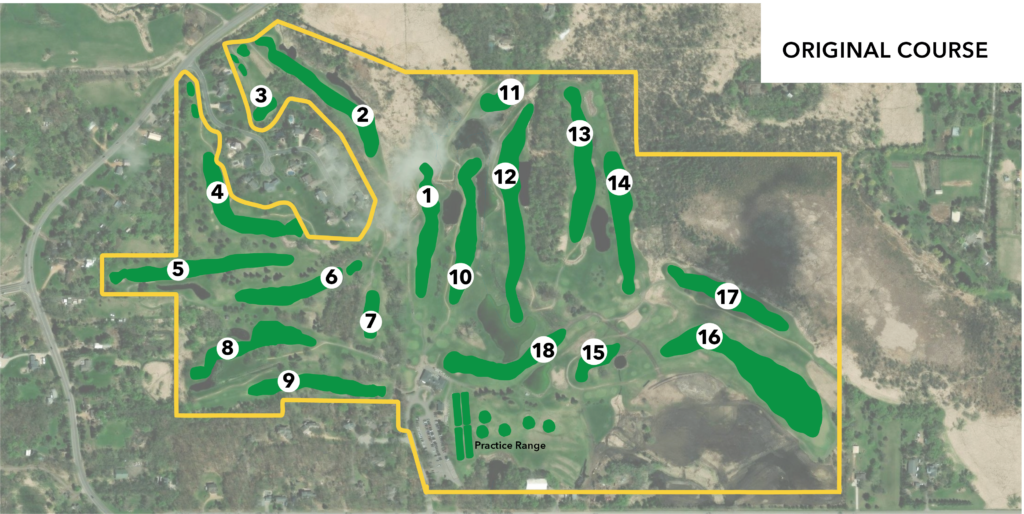
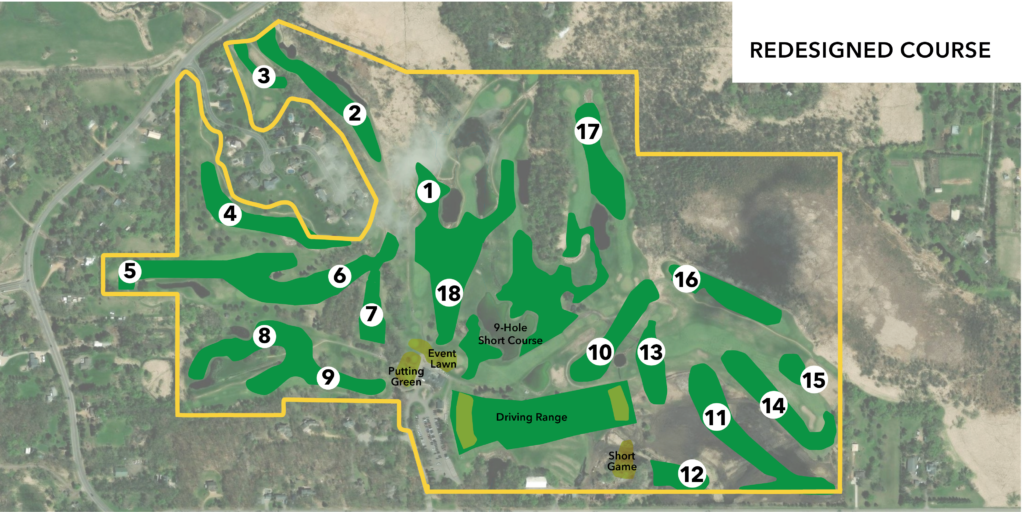
The Club commenced a $12 million redesign with three primary goals to address the major challenges, hoping to begin construction by Summer 2025 and reopen in 2027.

ENHANCED PLAYABILITY
- Incorporate the Club’s 20 acres of undeveloped land, rerouting and elevating the existing 18 holes to improve drainage and reduce water hazards.
- Align the course design with US Golf Standards.
EXPANDED OPTIONS
- Add tee boxes to the 18-hole course, encouraging members of diverse skillsets to play.
- Build a short course for younger and newer members to develop without the intimidation and commitment of 18 holes.
IMPROVED INFRASTRUCTURE
- Install a tailored, flexible irrigation system, reducing annual water consumption by 30-40%.
- Plant low-maintenance grasses, reducing annual pesticide and fertilizer use by 40% and 20%, respectively.
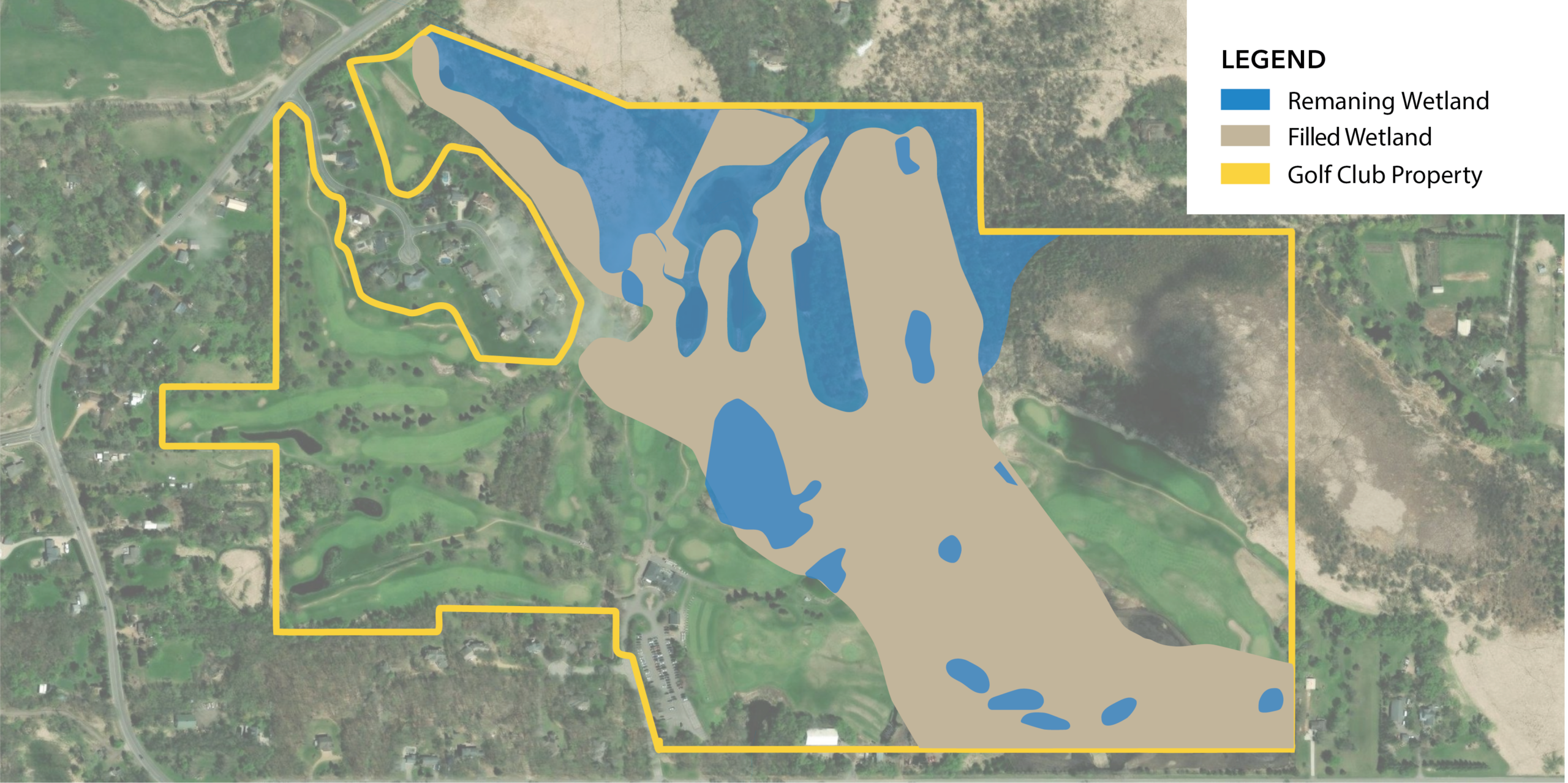
While transformative, the project would significantly change the landscape, potentially impacting remaining wetlands and downstream waterbodies. Recognizing a positive golf experience depends on a healthy environment, the Club wanted to steward environmental protections.
“A beautiful environment enhances the entire experience. Improving water quality, wetlands, and wildlife habitat isn’t just good stewardship, it also strengthens the character and long-term health of the property,” Link said.
When the project engineers applied for an MCWD permit, the Club hoped the redesign would meet regulatory standards. Improved irrigation and grass varieties meant less pesticide use and a phosphorus-free course. The redesigned layout reduced hardcover by nearly 2 acres, improving stormwater management.
However, wetlands would once again influence the Club’s future. This time, in the form of wetland buffers.
Competing Standards Create Challenges
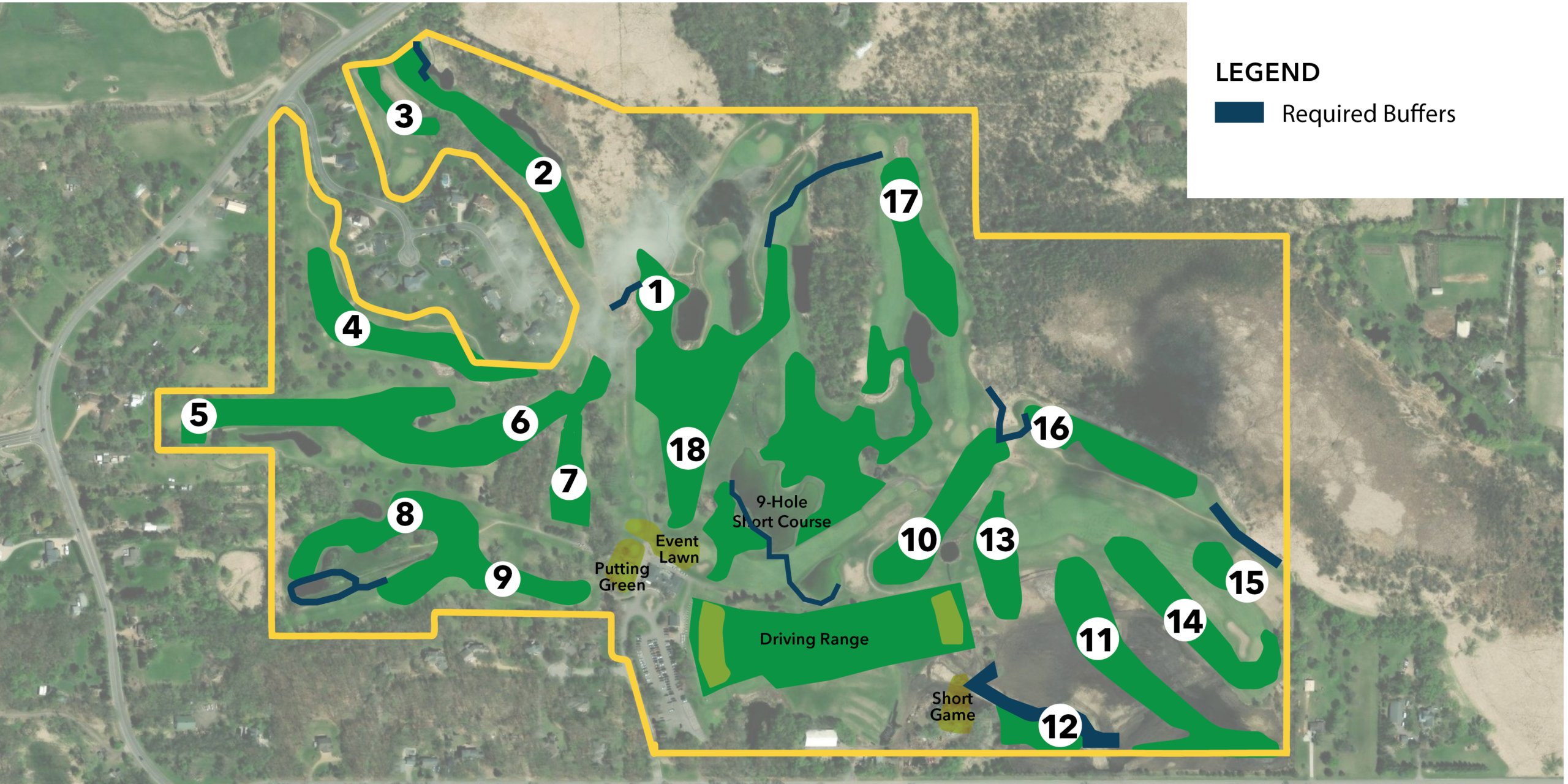
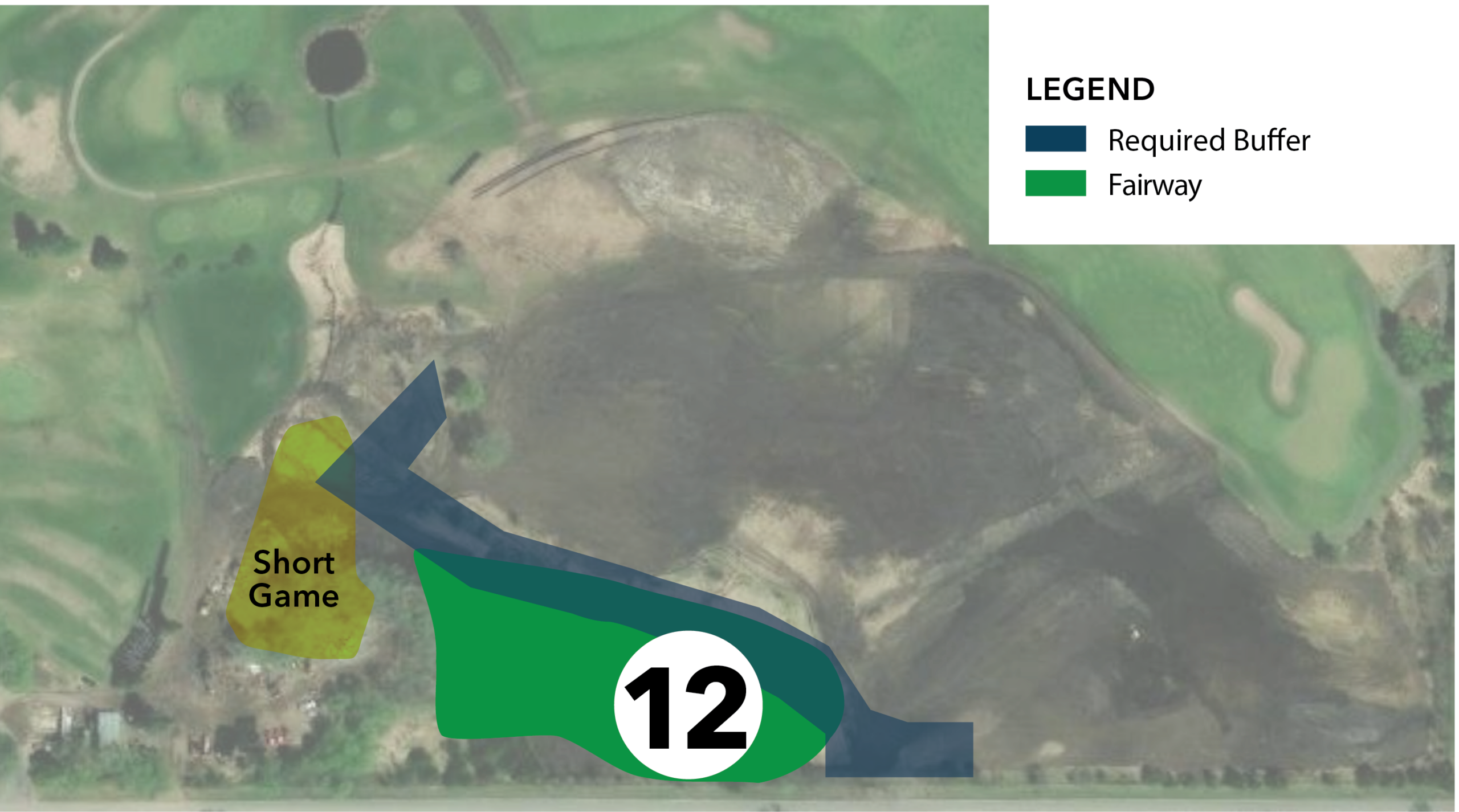
Changing the layout this far into the process would increase risk for the Club. Additional redesign could compromise the Club’s vision, while adding time and money.

The design had creative and financial support from the Club’s membership.

They had already begun the City approval process with these plans.

Design and engineering were largely final, so significant costs were sunk.
“We could not issue a permit without the necessary wetland protections in place, especially when it was possible to adjust the design,” then MCWD Permitting Technician Maggie Menden said. “But to the project’s engineers, this layout was their client’s vision and fixed.”
At this point, MCWD had not met with the Club. As technical experts, a permit applicant’s engineers typically handle the regulatory process, rather than the applicant.
MCWD convened the engineers, designer, and Club leadership to walk through site maps and illustrate how, where, and why buffers were required, as well as understand the Club’s needs.
With this information, MCWD moved beyond simple permit review and provided the Club with two pathways forward: either alter the layout to incorporate buffers, or show MCWD’s Board of Managers that they could do something better within the existing design.
“We were at an impasse,” Menden said. “We needed to get everyone in the room, to clarify MCWD’s rules and understand the vision and design limitations from the Club’s perspective.”
Achieving Something Greater
When a project does not meet rule requirements, the applicant can propose an alternative means of achieving or exceeding the rule’s intended water resource benefits. If MCWD’s Board determines the alternative is sufficient, it may approve an exception to the rule.
The Wetland Protection Rule aims to protect and enhance wetland quantity, quality, and biological diversity by limiting or mitigating development impacts. Buffers are a common mitigation strategy, but they are not the only strategy to protect and enhance wetlands.
The Club decided to pursue an exception. To hit the construction timeline, they had six weeks to find comparable or greater wetland protections, present an exception proposal to the Board, and receive approval.
“MCWD understood that we couldn’t satisfy the buffer requirements without overhauling our redesign plans,” Link said. “So they came to us with solutions, and we worked in a spirit of collaboration toward something greater.”
Unearthing a Creative Solution
To meet an ambitious timeline, MCWD’s permitting team set a project management schedule for the Club’s contractors, and helped them navigate the project’s complex technical components and policy considerations to unearth a creative solution.
Over several weeks, MCWD communicated regularly with the Club and its engineers, making wetland maps and guiding them through grading plans, placement of underground infrastructure, and a myriad of hydraulic and earthwork calculations. “We were going back and forth, and every time, we were constantly asking how about this,” Link said. “It was a collaborative, ever-evolving, and fruitful process.”
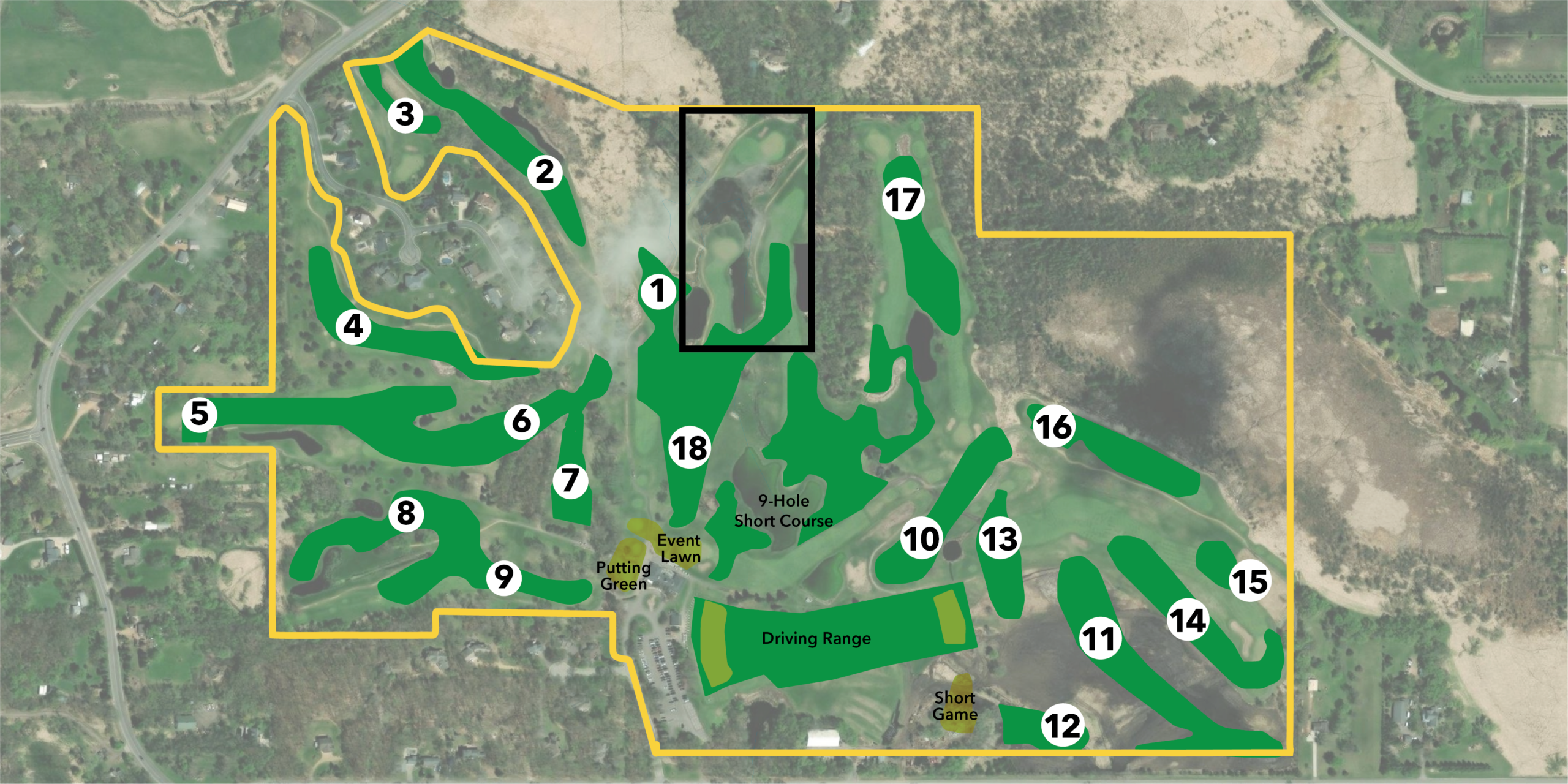
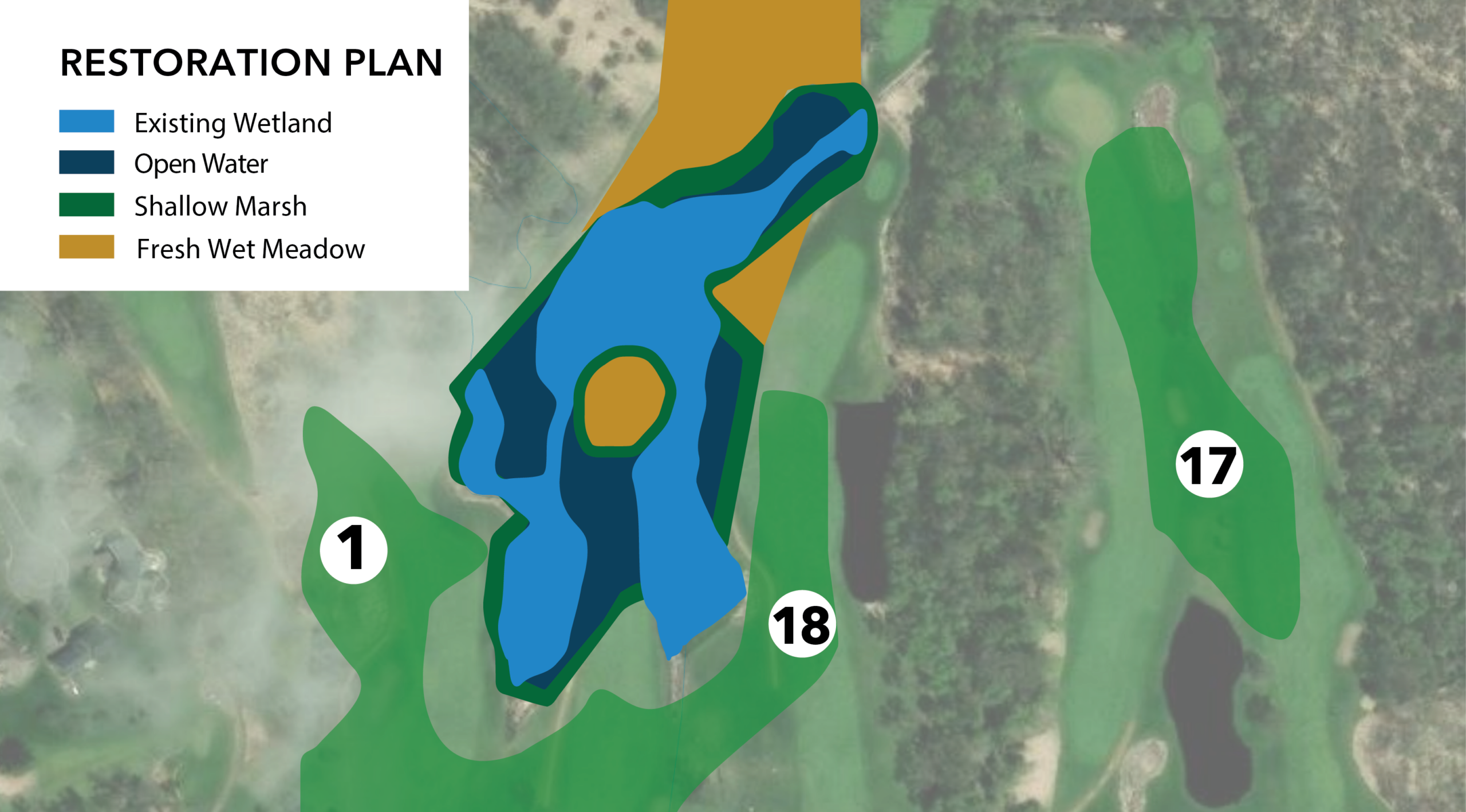
After discovering a solution, MCWD advised on the final plans and exception request by pinpointing the grading specifications and vegetative diversity needed to realize these benefits. In February 2025, MCWD’s Board ultimately approved an exception to the Wetland Protection Rule because the restoration would create greater benefits than buffers could alone, by enhancing the quantity and quality of local wetlands and reversing direct impacts.
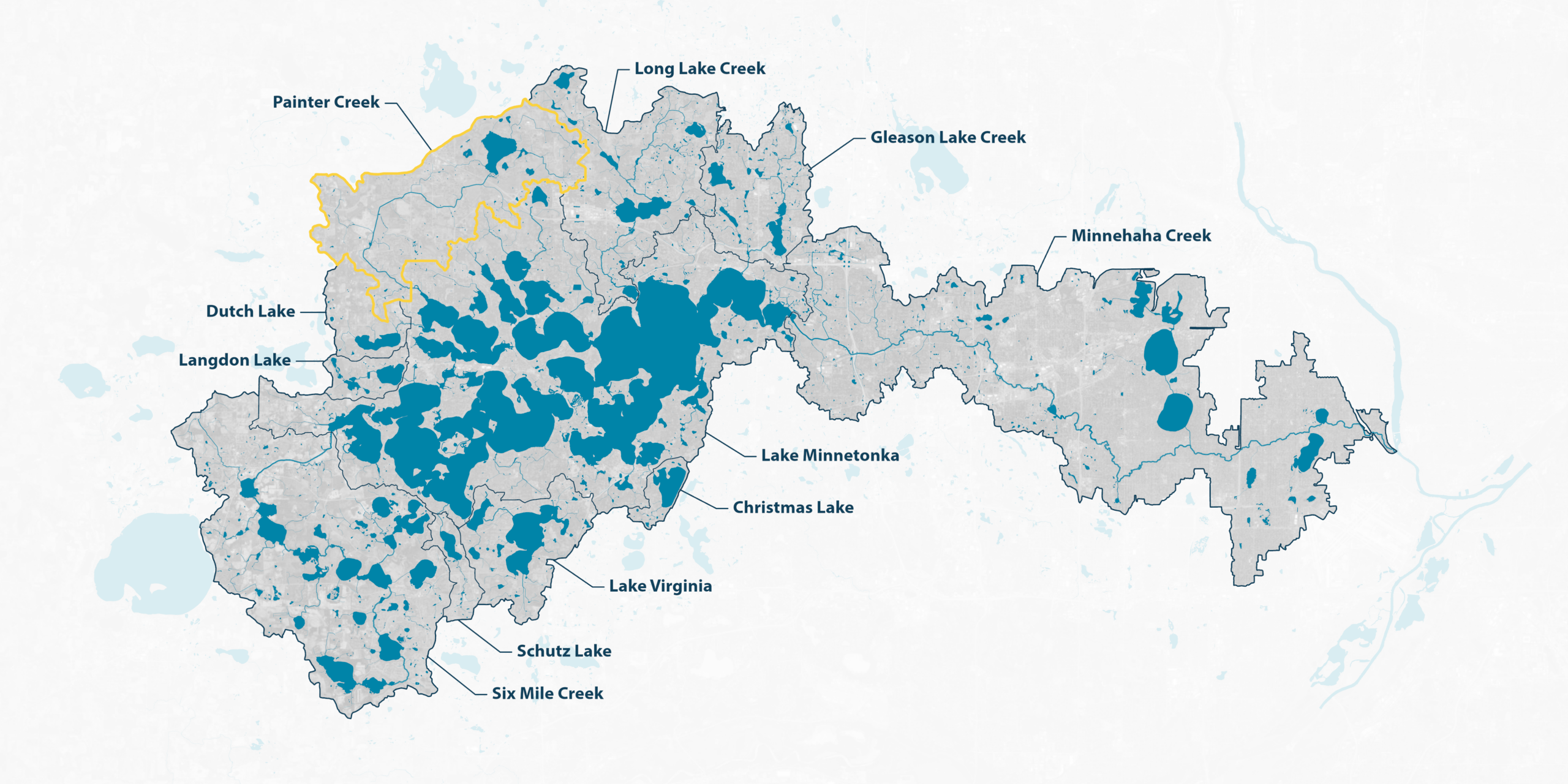
“The Minnehaha Creek Watershed has lost over half of its wetlands to historic development, so protecting what remains is incredibly important to the District,” MCWD Board President Sherry White said. “This restoration is significant and was only possible through mutual understanding of each other’s goals and charting a creative path forward, together.”
A Redesigned Course that Celebrates its Wetlands
Through understanding, collaboration, and innovation, the Club and MCWD achieved the redesign goals, while generating natural resource benefits beyond regulatory requirements.
“Working with MCWD reinforced the value of approaching the regulatory process through a lens of partnership,” Link said. “It strengthened our ability to build a transformative course, while remaining good stewards of the environment and enhancing the overall golf experience.”
With significant physical changes moving forward, the Club decided their brand needed to reflect the landscape’s history. Formerly known as Burl Oaks Golf Club, in March 2026, the Club officially became Crooked Water Golf Club, based on Minnetrista’s Dakota meaning, “Crooked Water.” This new name embraces the course’s connection to the surrounding environment, particularly its wetlands.
“Without this project, I don’t believe our club would have remained competitive in this market over the long term,” Link said. “The partnership with MCWD helped us reduce the golf course’s environmental impact while creating an elevated, more sustainable experience—one that will help Crooked Water Golf Club retain and attract members for the next 50 years.”

Explore the New Site